

Companies


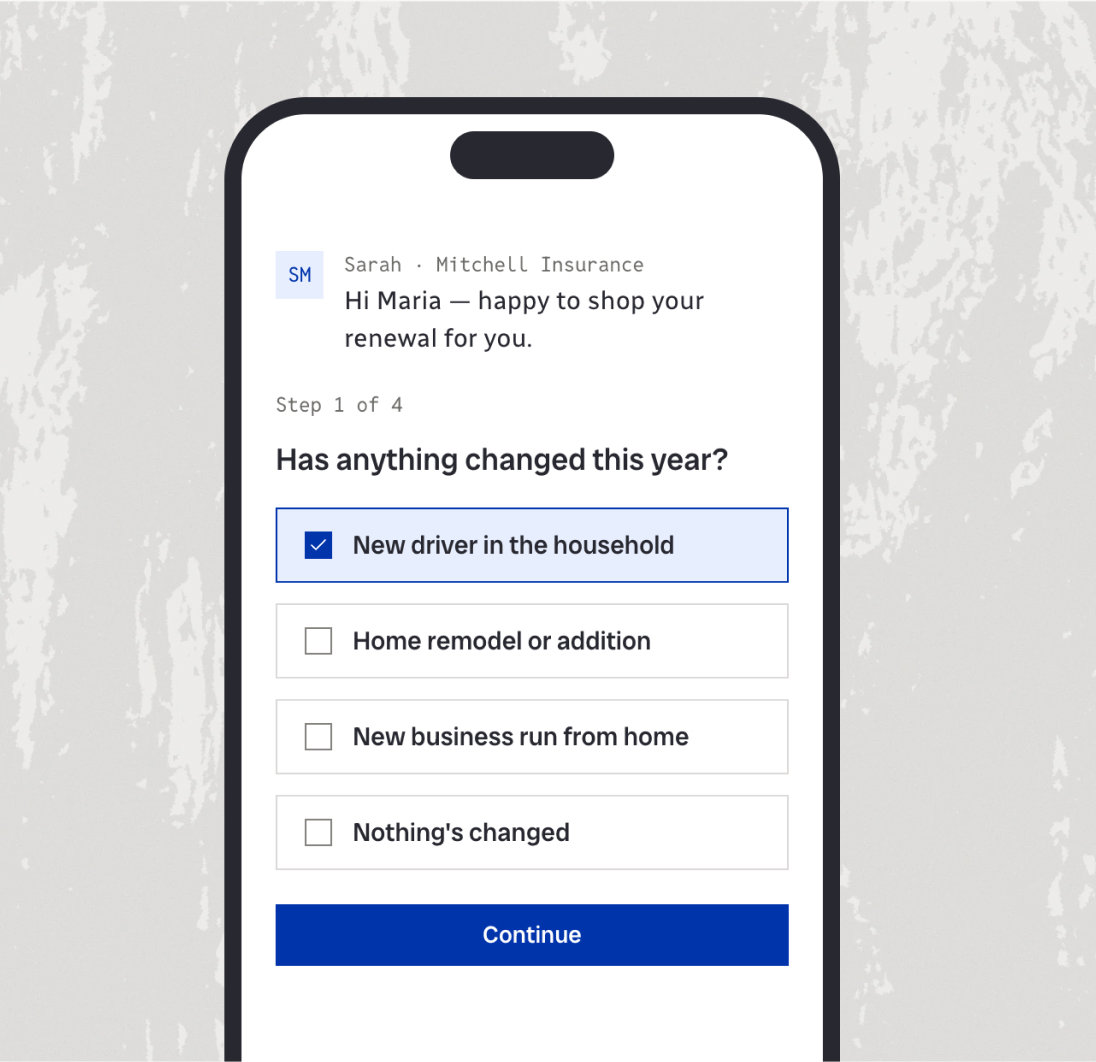

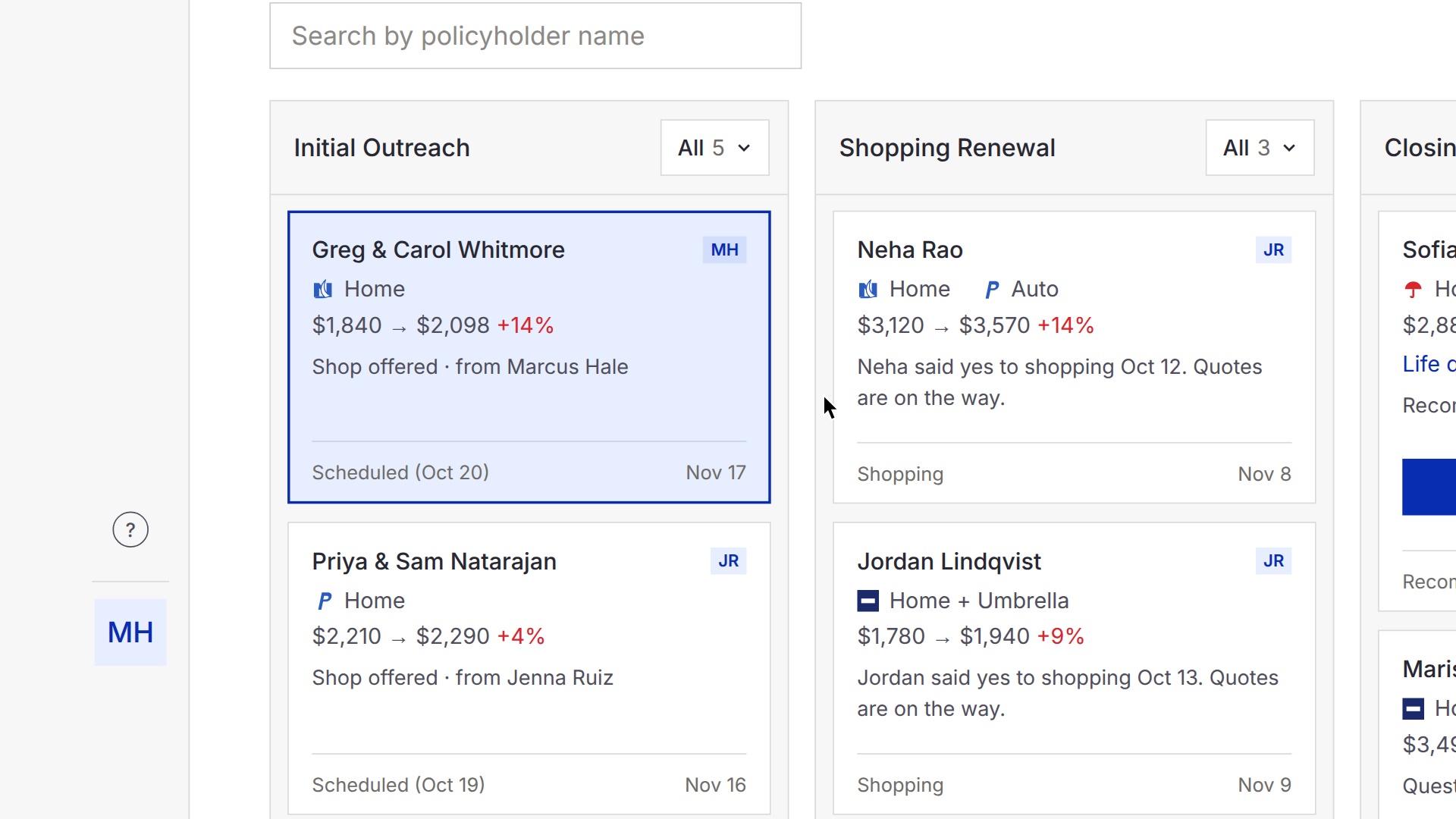
We built Upline because independent agencies spend too much of their year replacing customers they never needed to lose. Shopping a policy at renewal is the best retention move an agent has, but doing it right takes hours per carrier, so most agencies only shop the customers who ask. Upline watches the book for upcoming renewals, reaches out in the agent's name, gathers updated details, runs quotes with each carrier, and hands back a recommendation ready to send. The agent stays the face of every touchpoint.
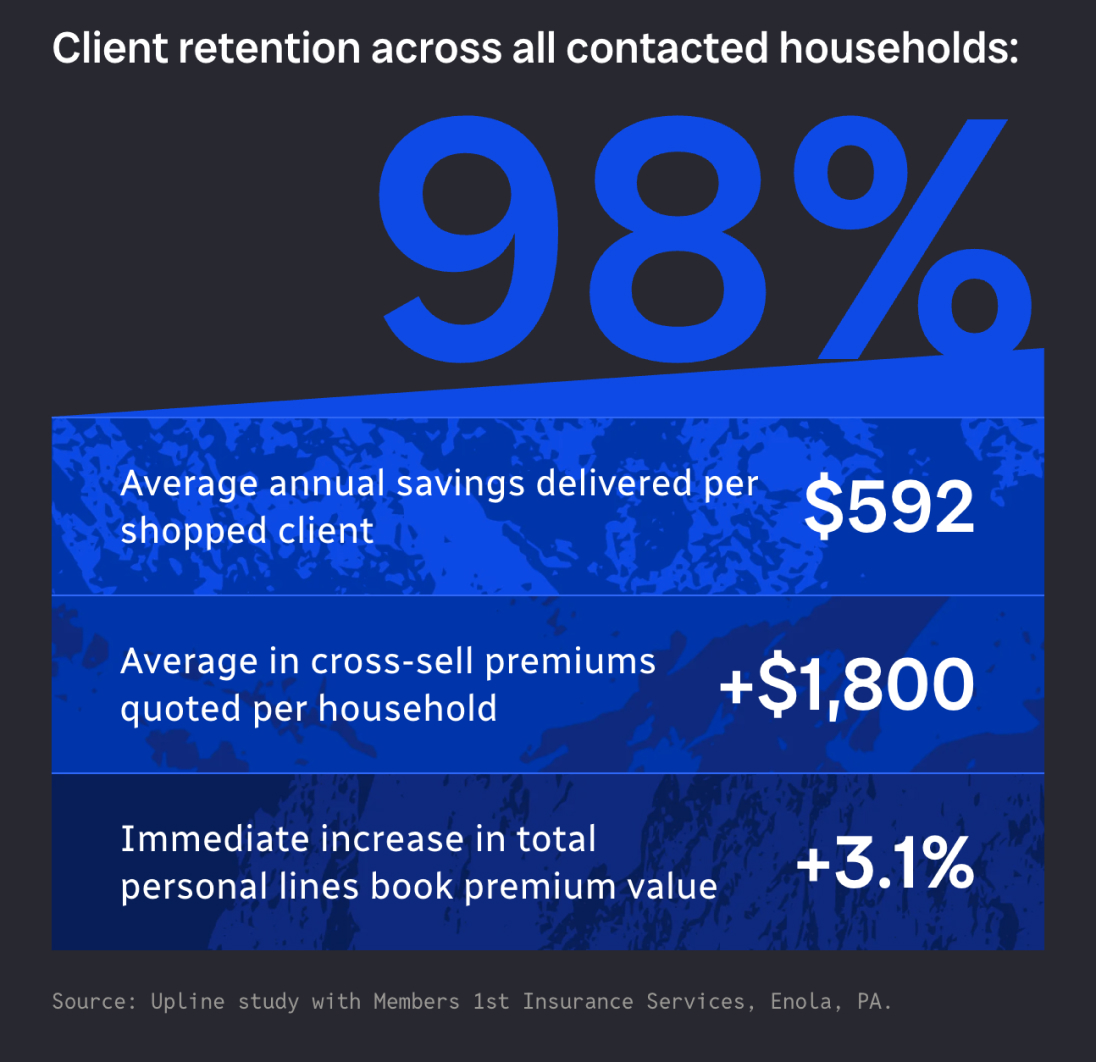
Everyone knows that shopping customers ahead of renewal keeps them. What surprised us is that just offering to shop does too. When we offered to shop everyone coming up for renewal, only 43% wanted a shop, yet 98% stayed with the agency. Upline lets agents make that offer to their whole book, something that wasn't practical before, and takes on the 15 to 20% yearly churn the industry treats as normal.



“Instead of starting with an idea, I stepped into a problem real people were already living with. Walking into something rich with discovery and evidence gave me the context to pick up the torch, with support exactly where I needed it most. That's an incredible place to start as a founder.”
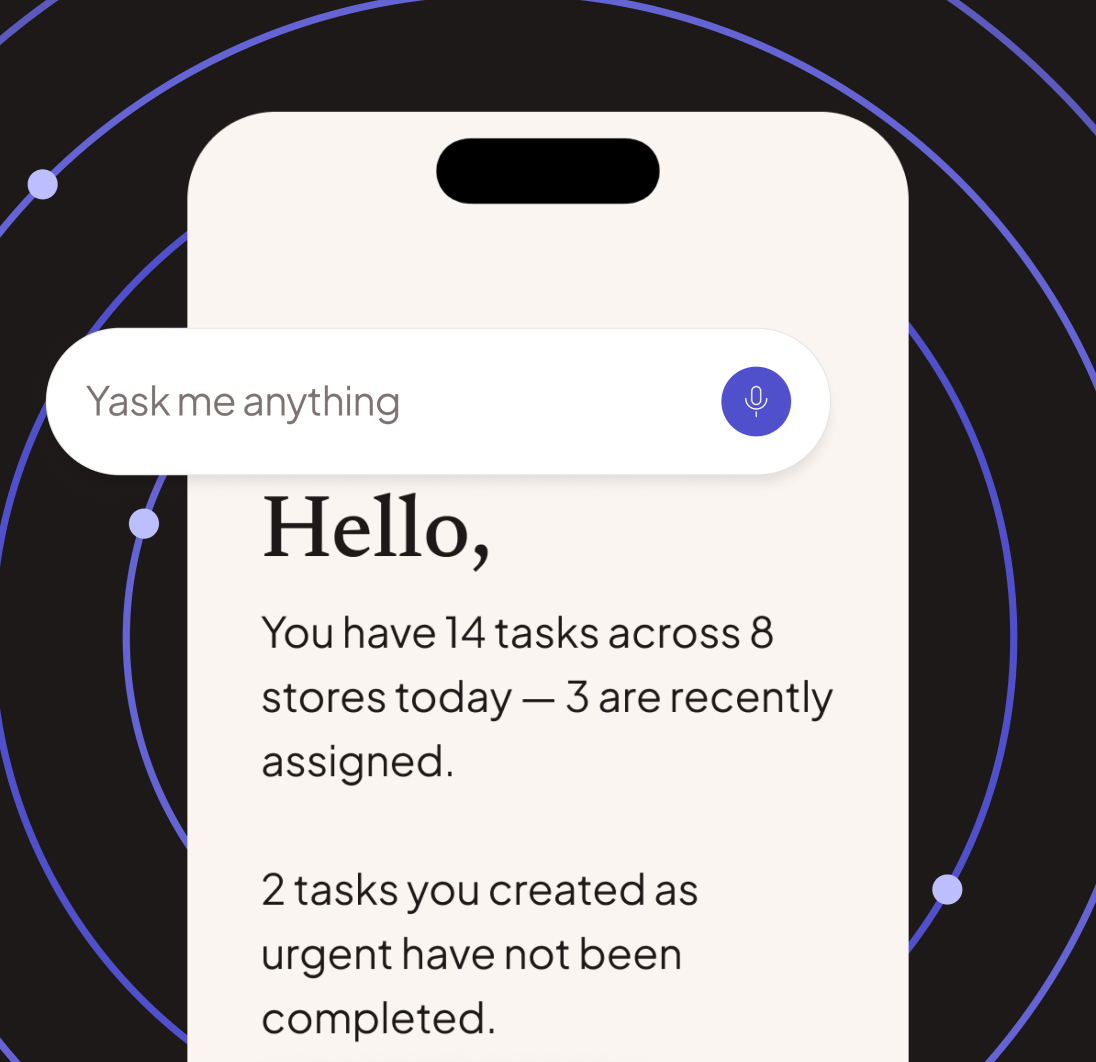
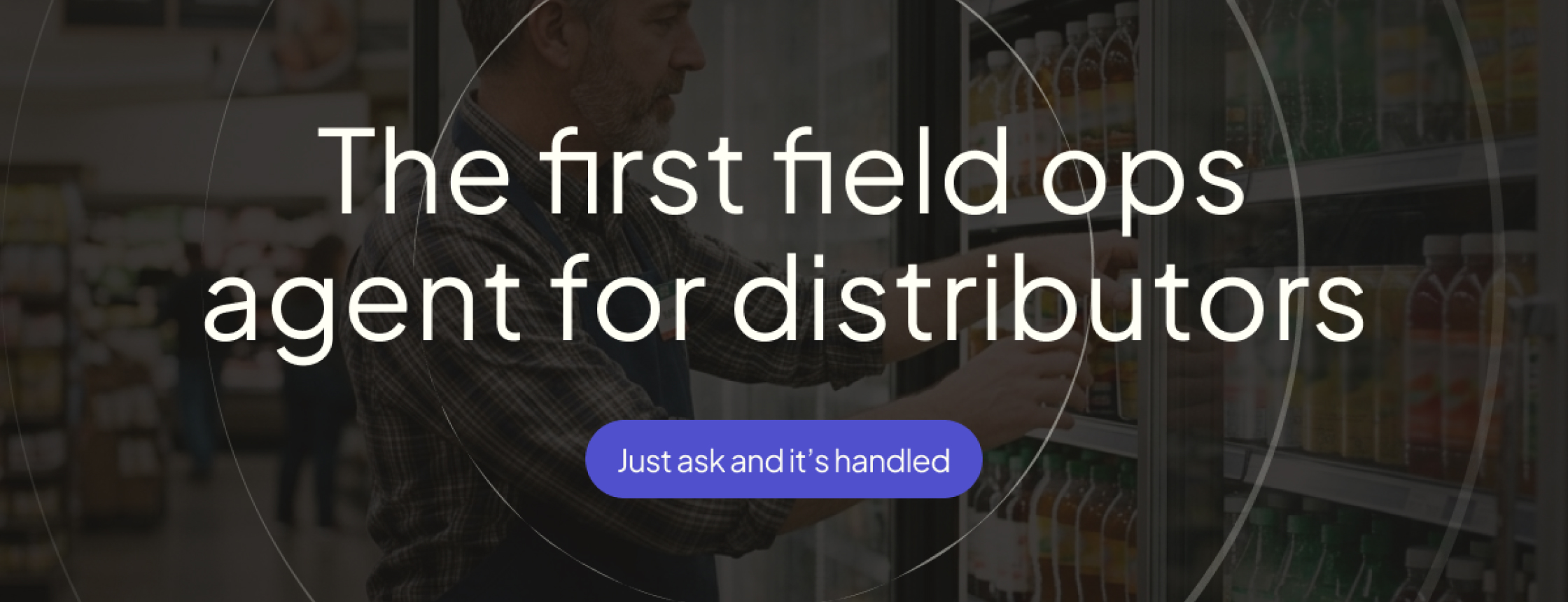
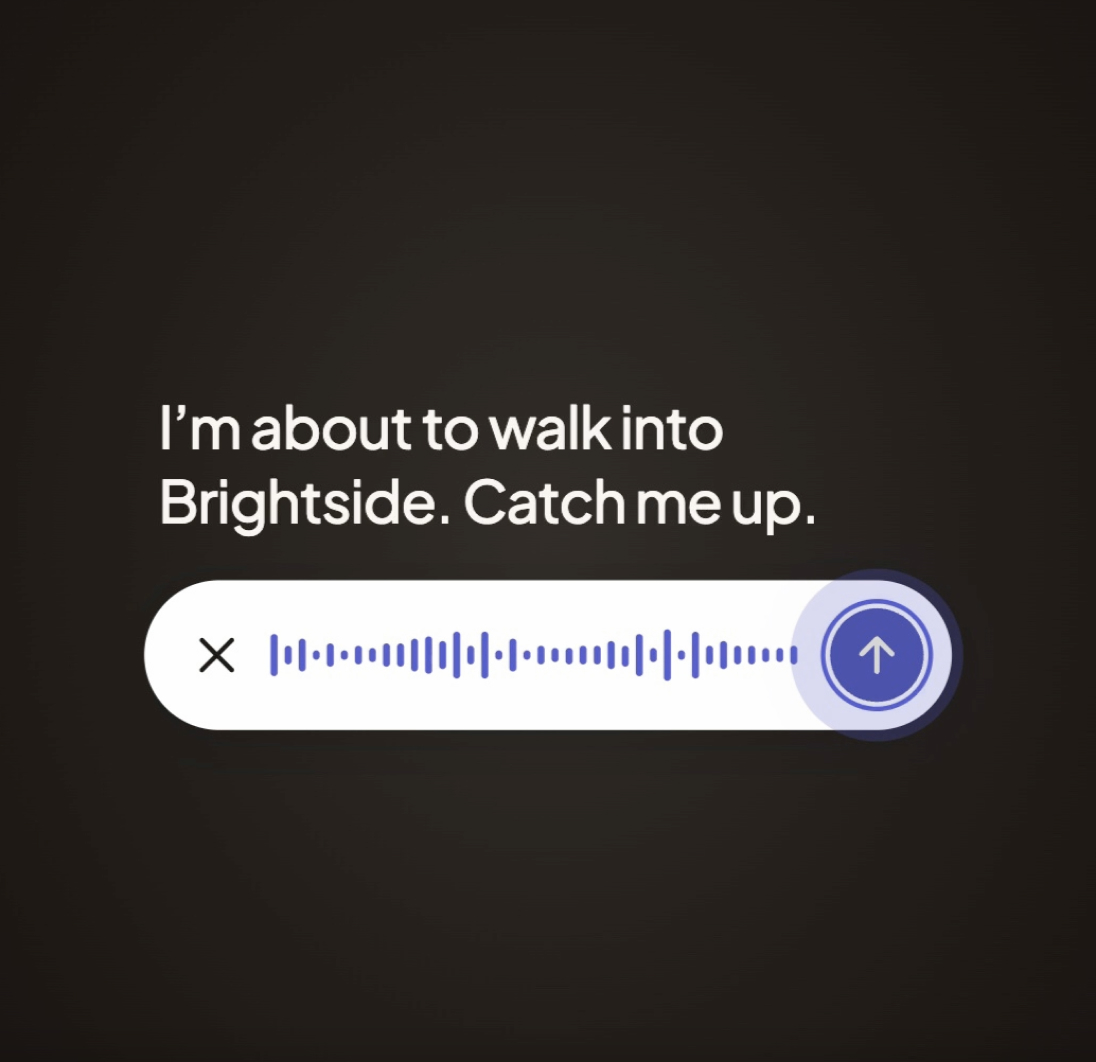
We built Yask because most of what field teams notice never reaches the person who can act on it. Account managers, drivers and merchandisers cover 5 to 15 locations a day, and every tool they have can store an observation, but none can delegate it. With Yask, they say what they saw in their own words. Yask matches it to everything the team knows about that location, routes it to the right person, and confirms when it's closed.
Reporting an issue required a chain of SMS messages that was just too much work for the smaller details, and in retail, details are everything. By week three of our first deployment, the team was sending 30 to 40 unprompted observations a day into a prototype we hadn't finished building.

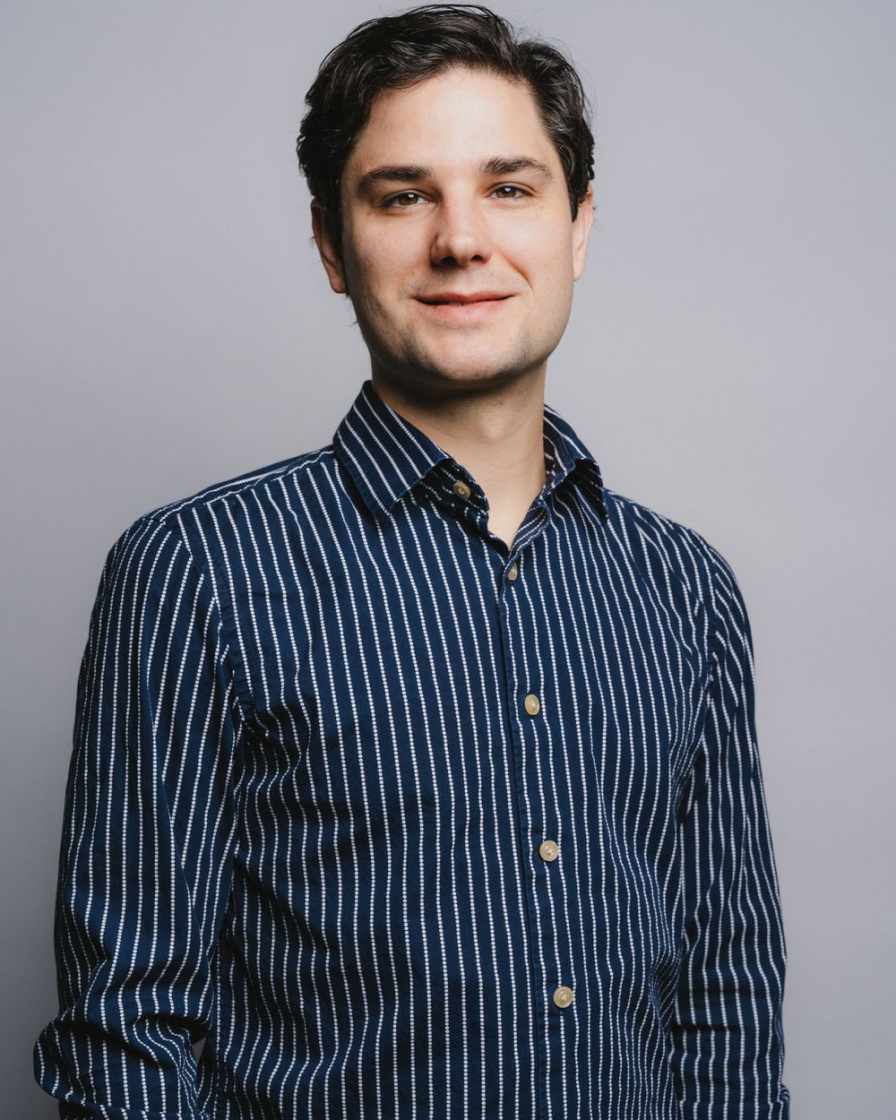
“It’s immediately clear when working with Gitwit that they’re building category-defining ventures, and their support gives founders an unfair advantage from day one.”
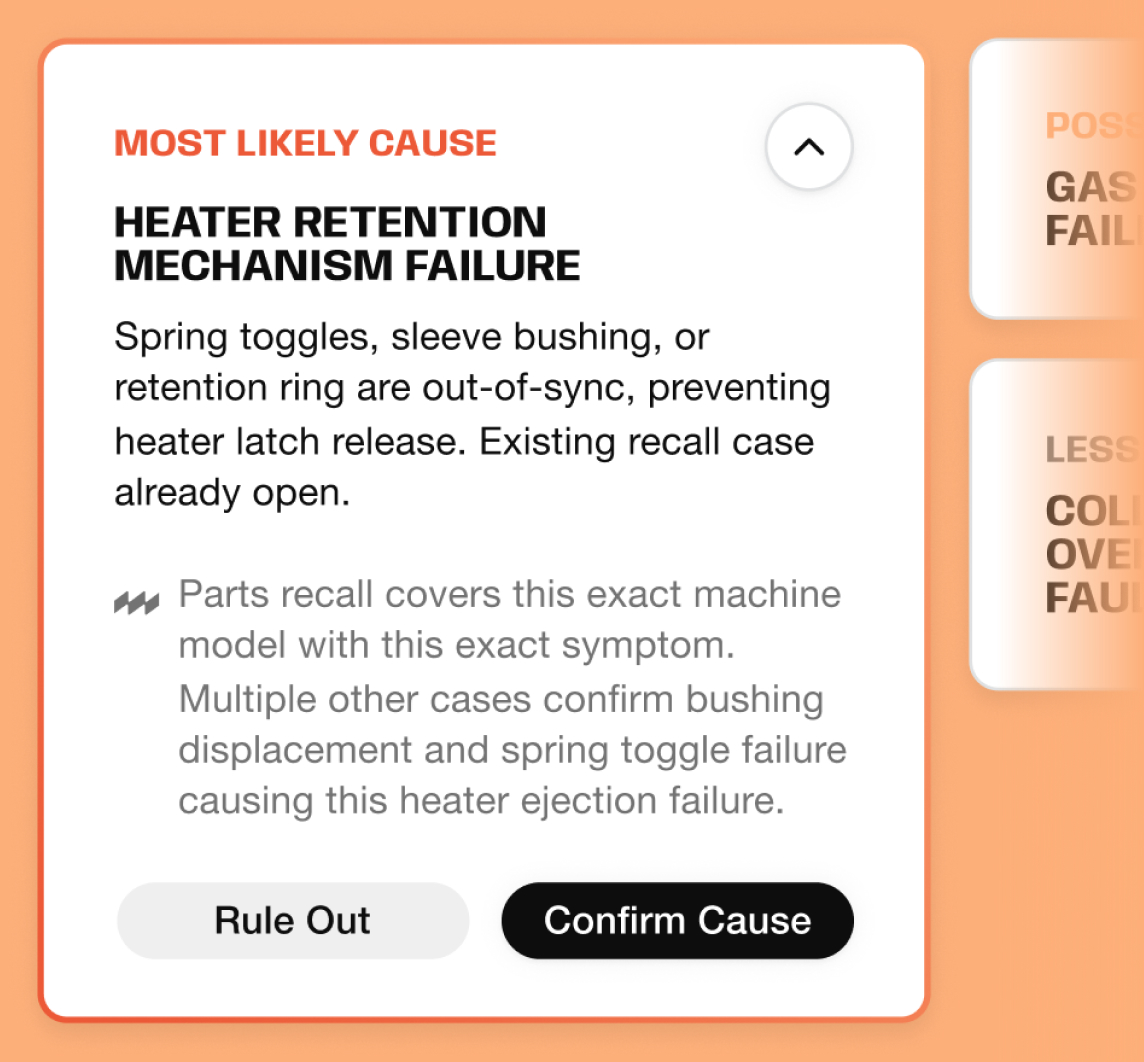
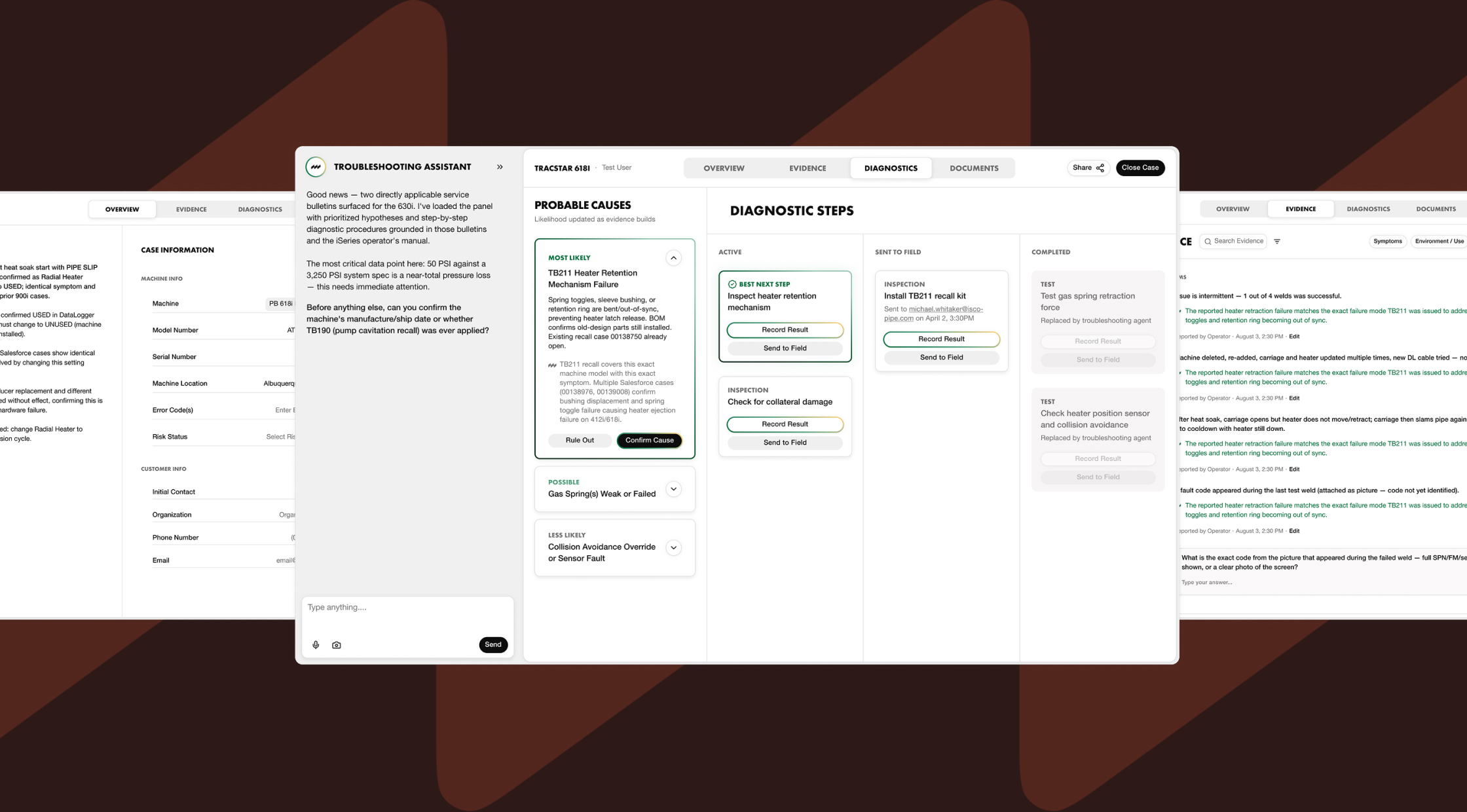
We built Mechro to fix how equipment manufacturers support their machines in the field. Technicians describe problems in plain language and get machine-specific diagnostic guidance. The real differentiation: a platform where product experts train and evaluate the AI over time.
Mechro has live enterprise contracts, has closed its first round of funding outside the studio, and is deeply embedded with OEMs. We went from POC to first revenue in six months.



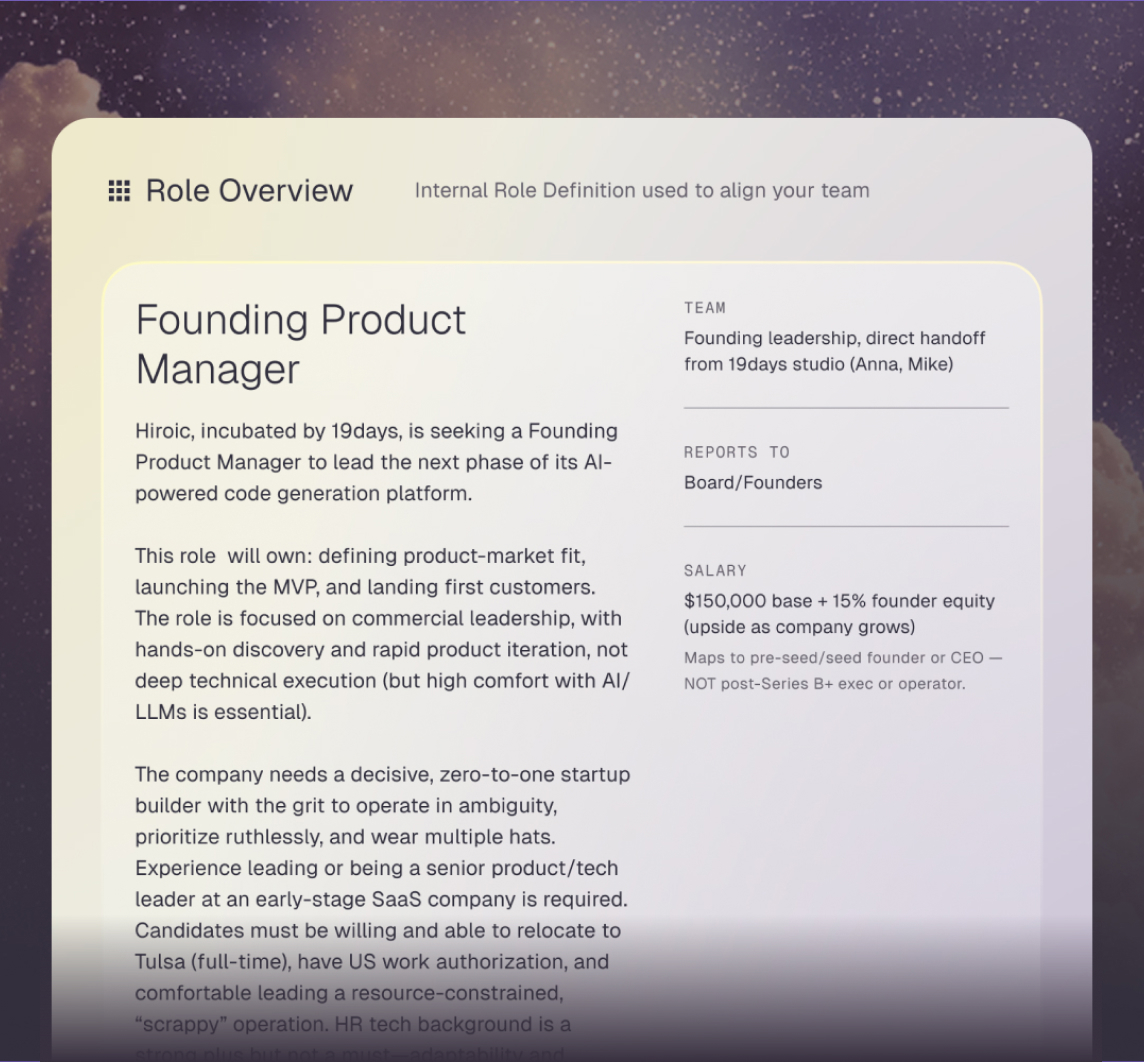

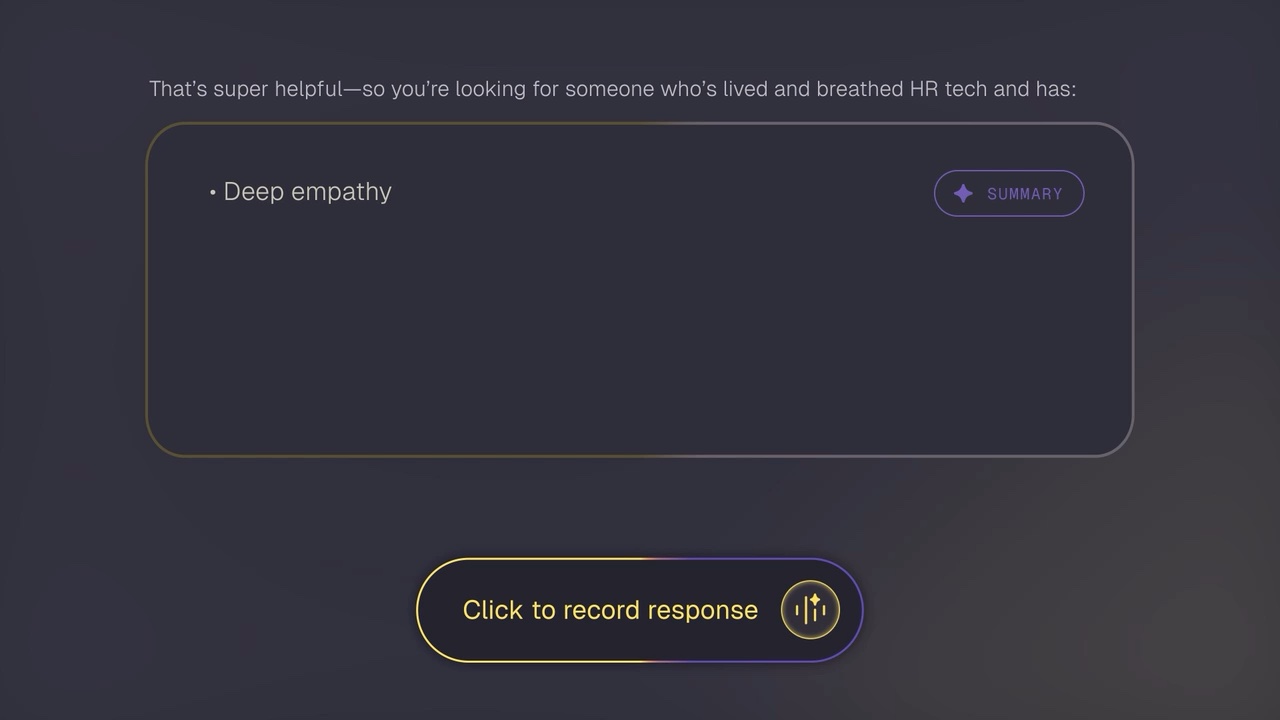
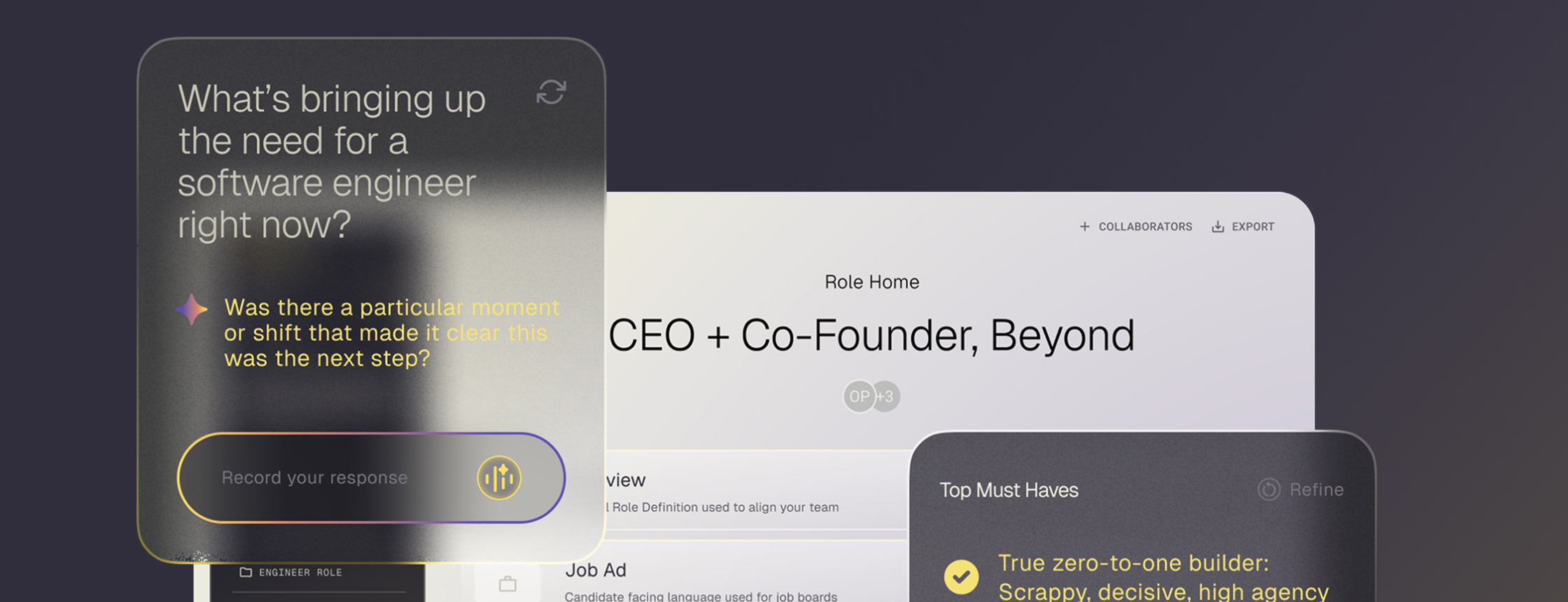
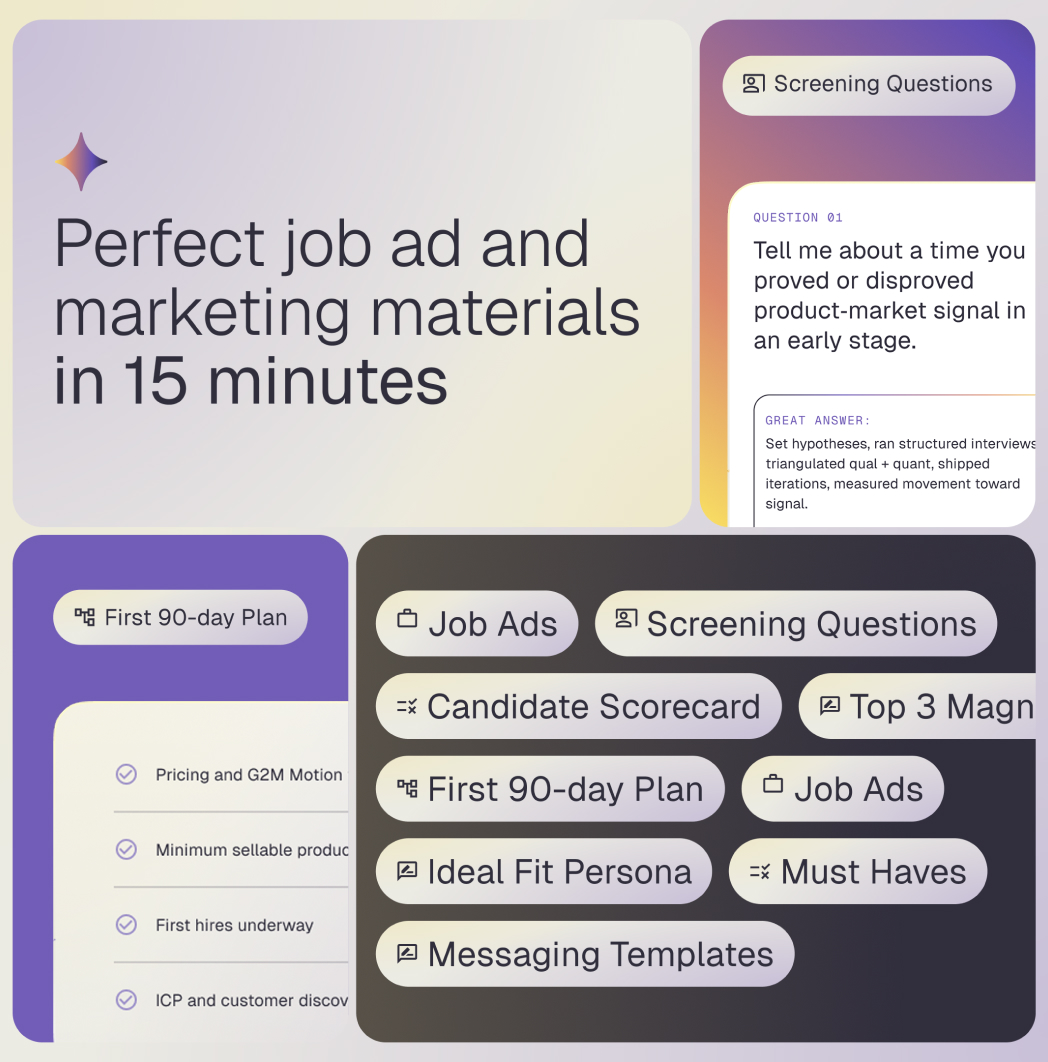
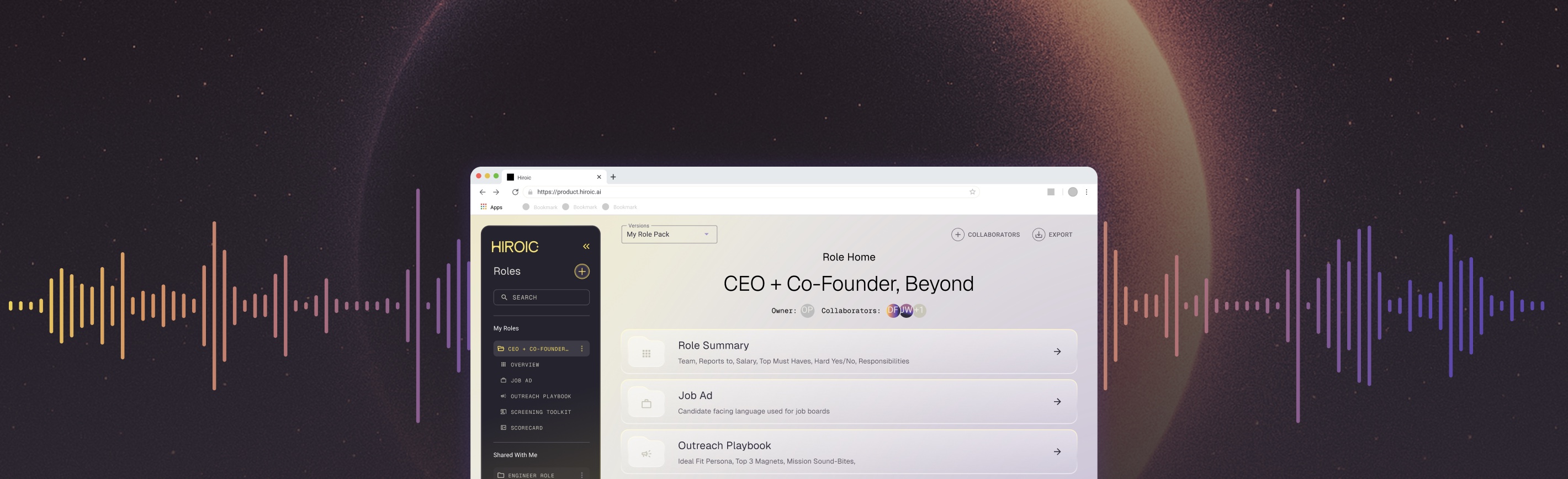
We built Hiroic because hiring is broken and AI is making it worse. Generated job descriptions, AI cover letters, automated screening, all of it adds speed and noise to a process that never had enough context to begin with. Hiroic starts where it matters: defining the role. It interviews hiring managers, aligns stakeholders, flags misalignment, and generates everything downstream: descriptions, scorecards, interview plans, outreach. Role definition is the wedge. The vision is owning the entire hiring journey with context at the center.
On pre-launch, over 50% of cold-start users spent 15+ minutes defining roles. It's been used for everything from research assistants to electricians to CTOs and country club GMs.

“When I stepped in, product-market fit was already becoming evident. Gitwit had done the hard work of validating a real problem for psychologists and delivering a product that truly addressed it.”
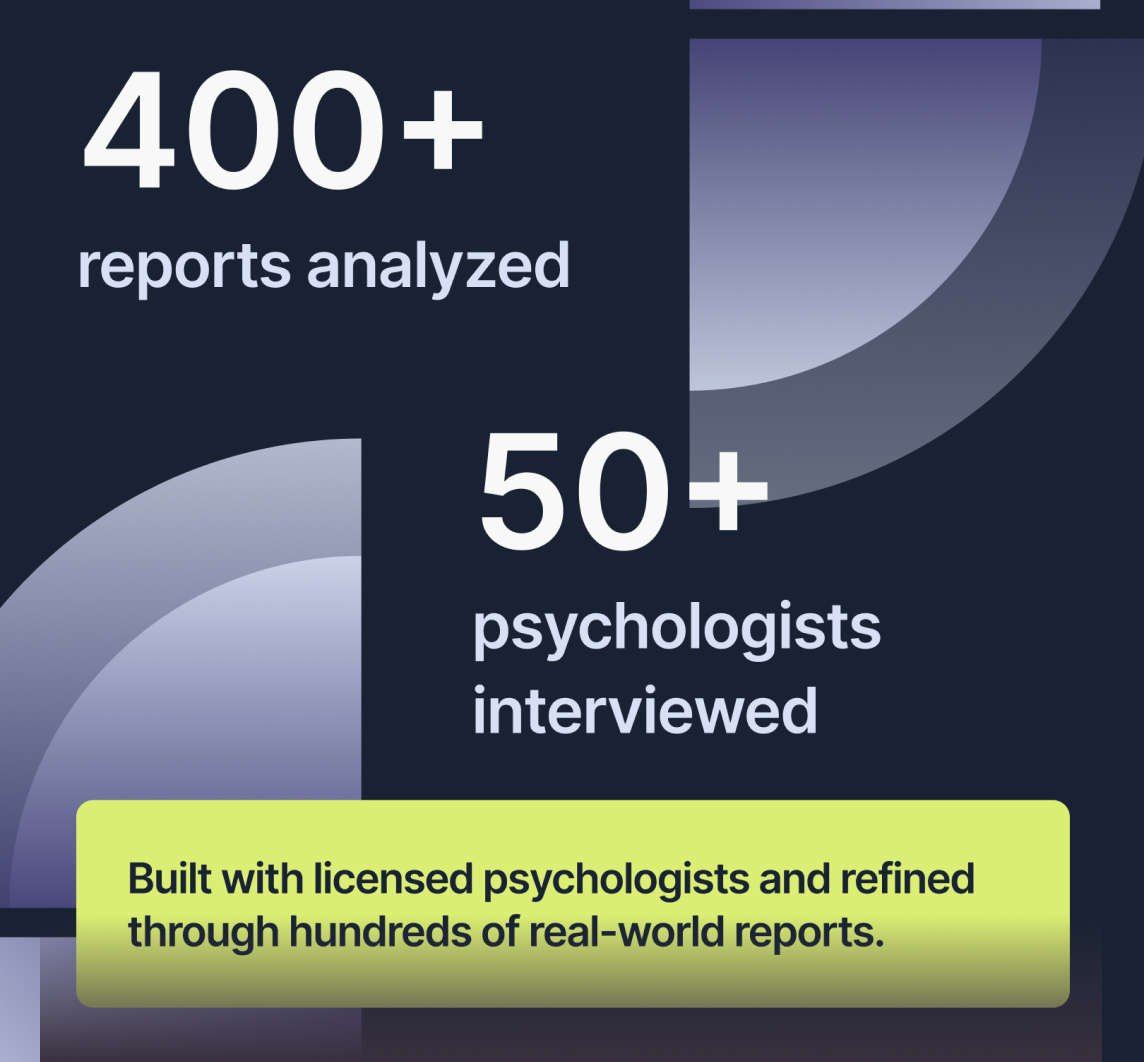
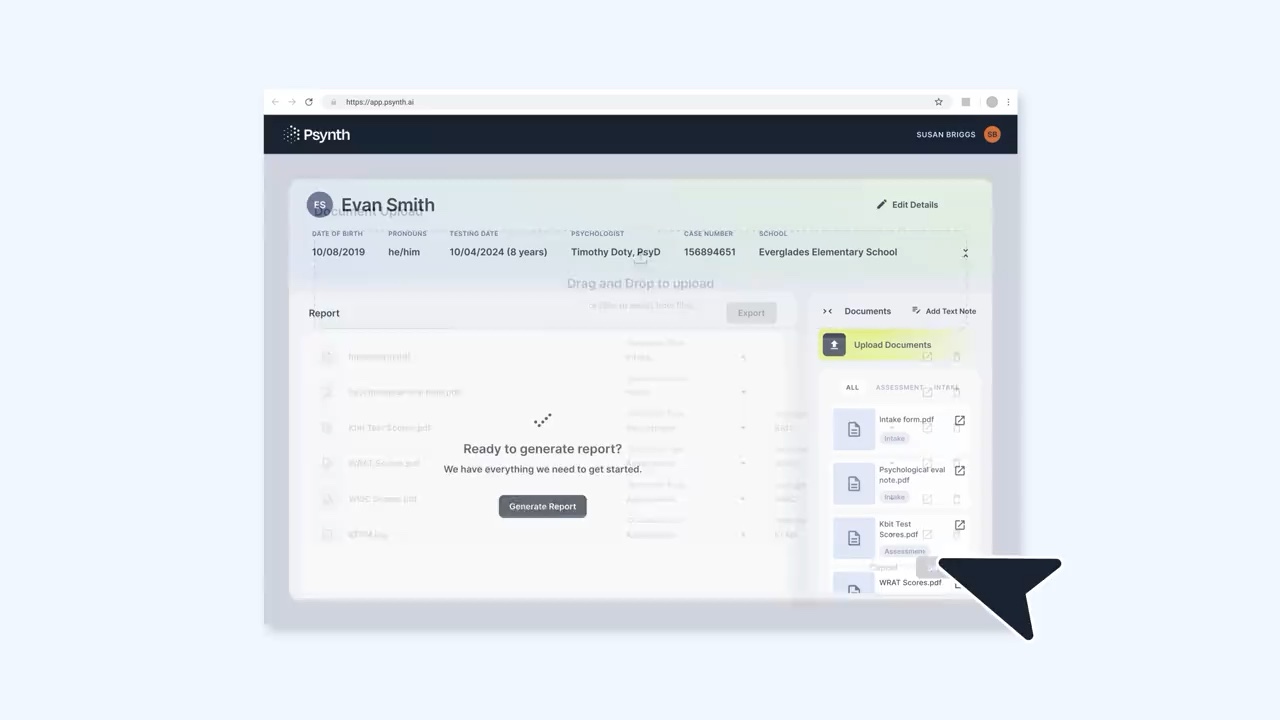
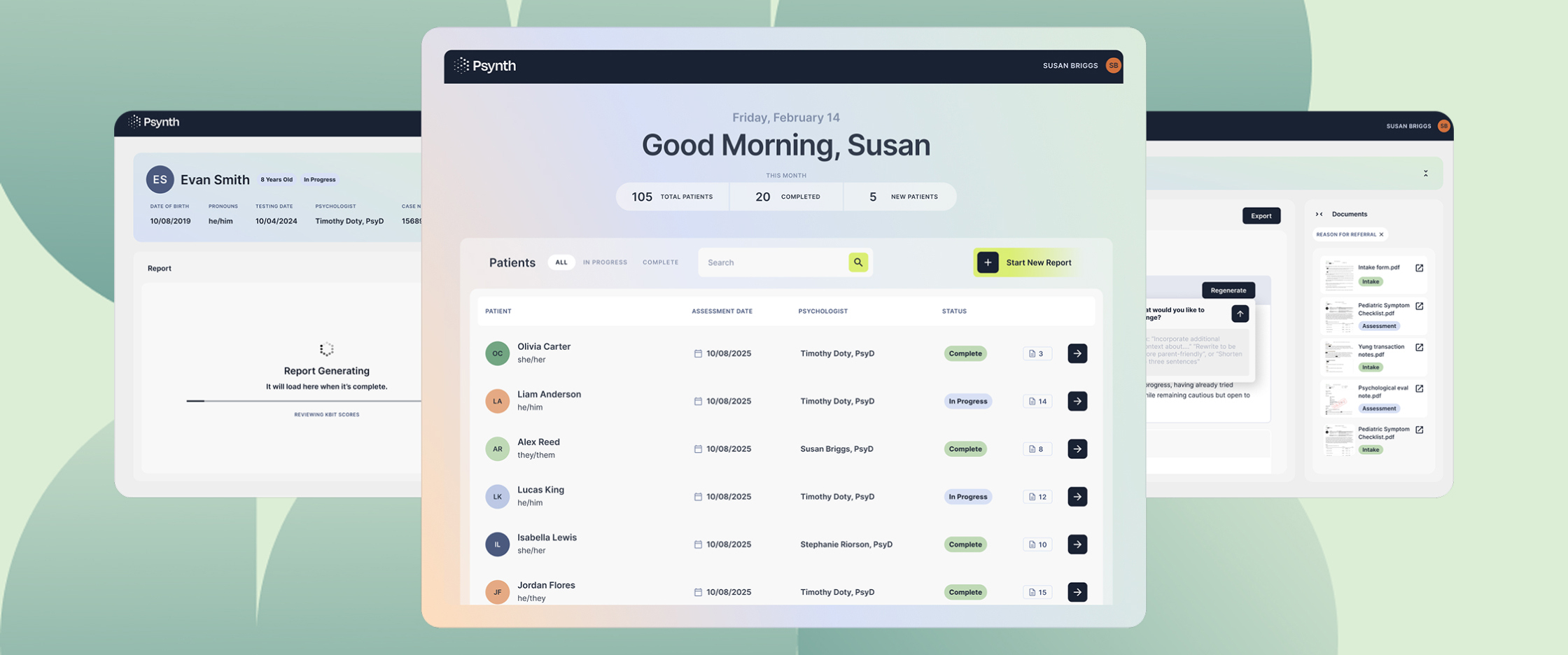
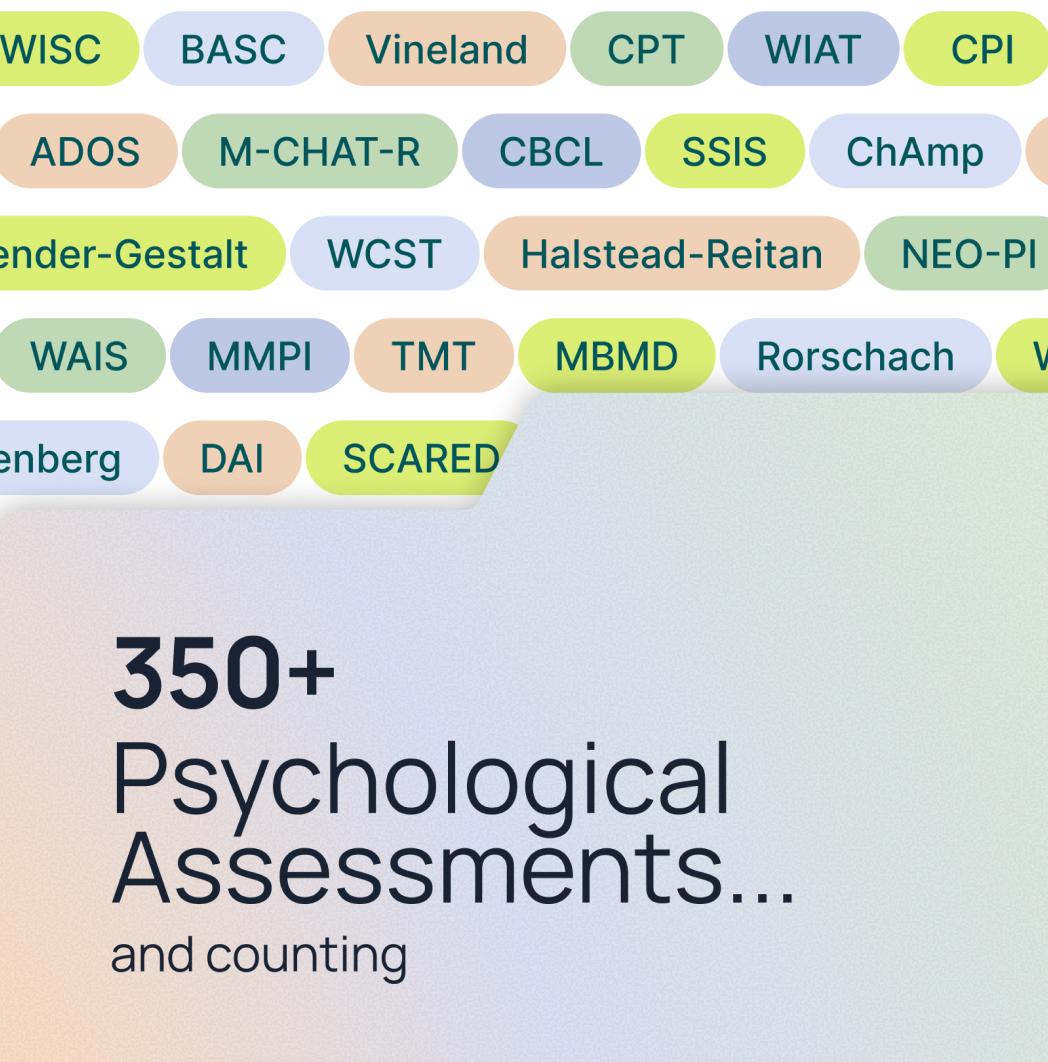
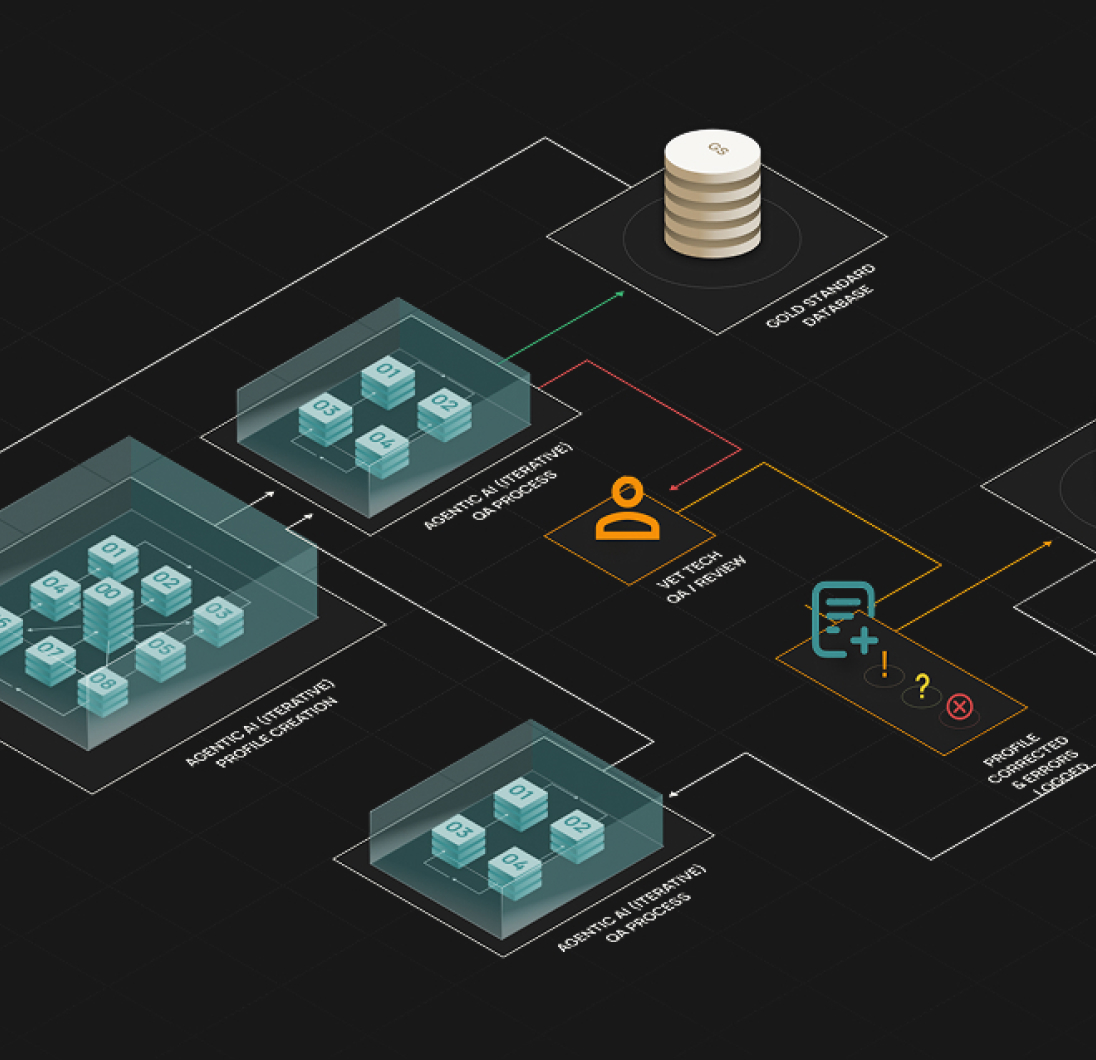
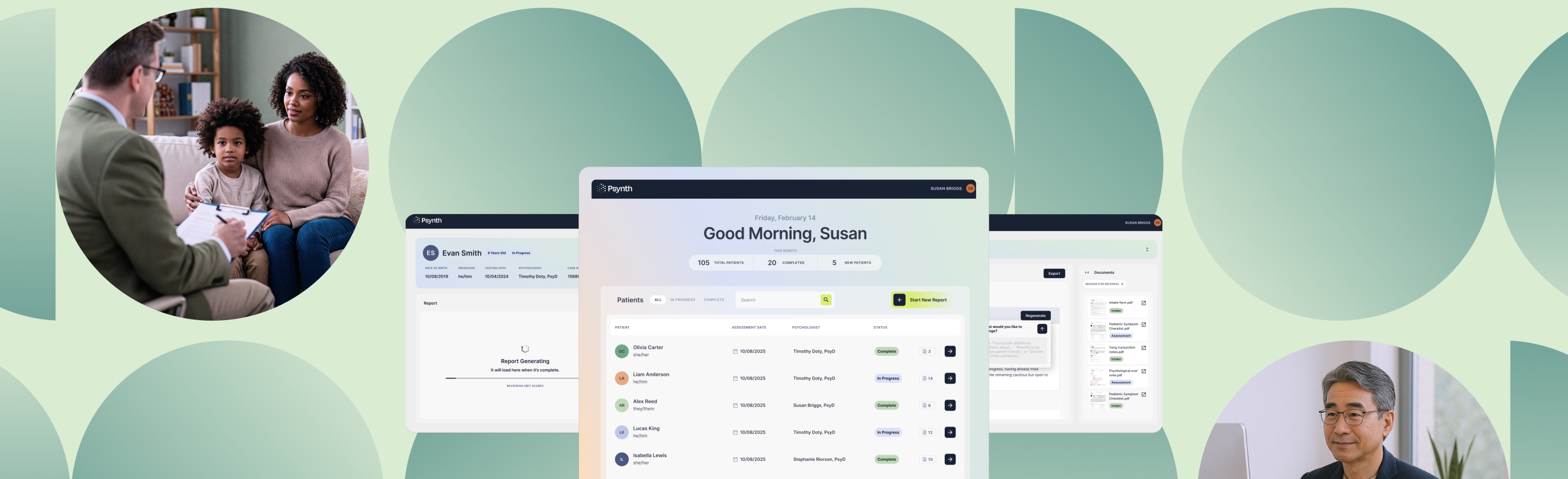
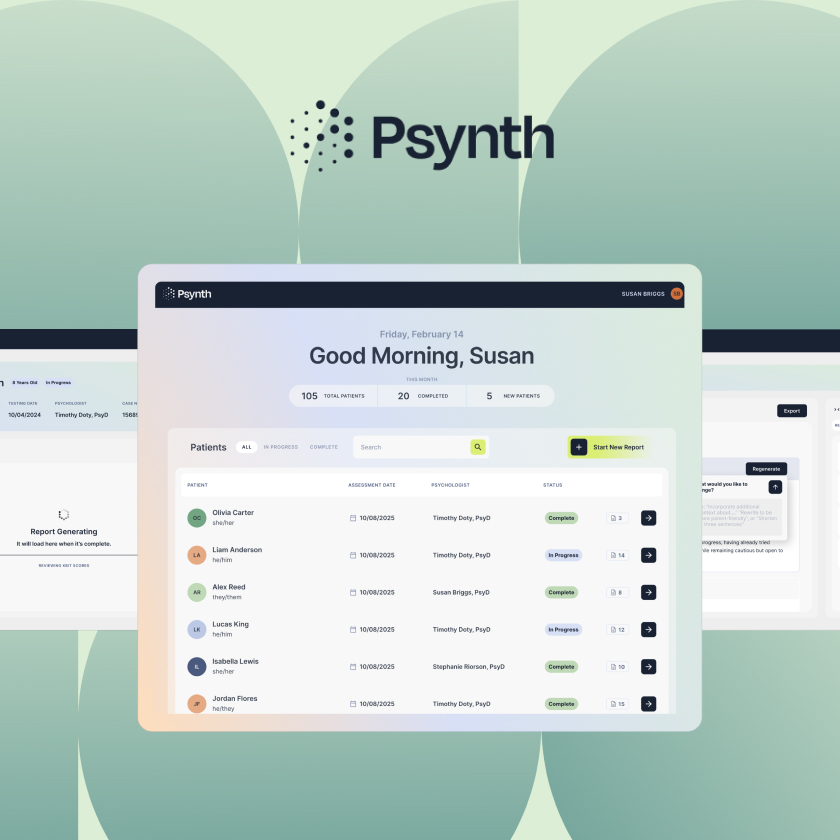
We built Psynth because psychologists are drowning in paperwork instead of seeing patients. Assessment reporting (scoring, formatting, assembling) takes 6+ hours per report and stretches diagnosis timelines to six weeks. Psynth transforms raw test results, intake data, and clinical notes in any format into structured diagnostic reports ready for review in minutes. It supports hundreds of assessments, runs quality control checks, and flags inconsistencies. The vision is reinventing the entire workflow from patient intake through diagnosis. Psynth is the only platform offering HIPAA, SOC2, and GDPR compliance.
The studio team went from concept to live product in 100 days with nearly immediate product-market fit, grew to 100 customers within months, and closed its first funding round shortly after. Psynth has assembled a world-class clinical and product team and is continuing to innovate at a rapid pace.


“Taking the lead of a studio venture is hard work, but Gitwit made it practical. Their hands-on, in-the-trenches approach, alongside our team, forced clarity early and kept us building toward real value.”
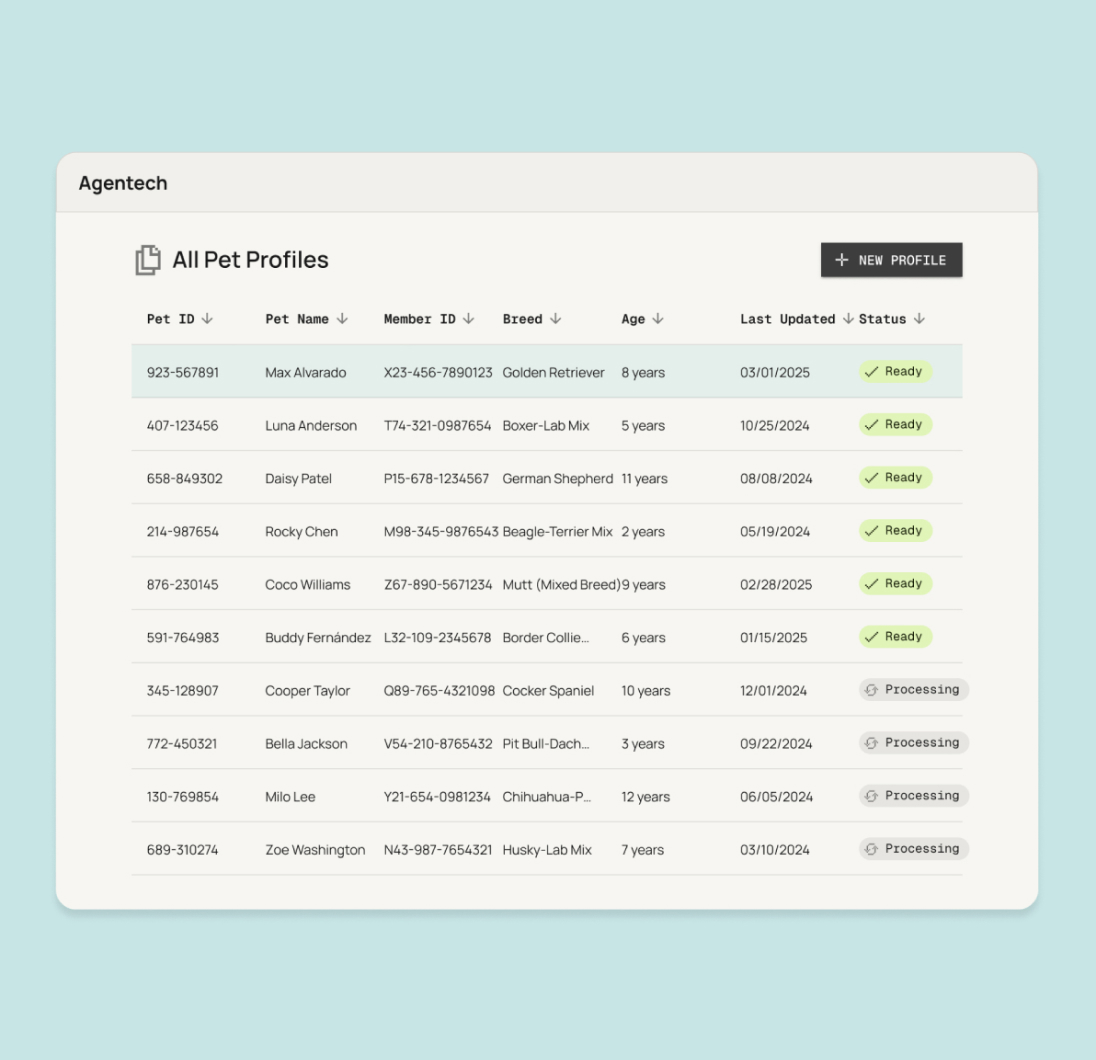
We built Agentech to eliminate the manual bottleneck at the center of insurance claims. Document handling, cross-system coordination, fraud checks, subrogation: adjusters spend most of their time on repetitive work that slows everything down and creates rework, compliance risk, and unnecessary cost. Agentech deploys narrowly scoped AI agents that automate this work while keeping adjusters in control of decisions.
Early customers jumped at the chance to bring speed and scalability to their workflows. The co-founders who took the helm immediately went after the broader property and casualty market and landed a major customer within months. Agentech has closed two follow-on rounds of funding in the 18 months since spinning out of the studio.




“Early on Gitwit gave Prelude its core innovation: we learned the real intricacies of pre-planning and designed a truly meaningful human experience. That let me focus on cracking the business model and go-to-market from there.”
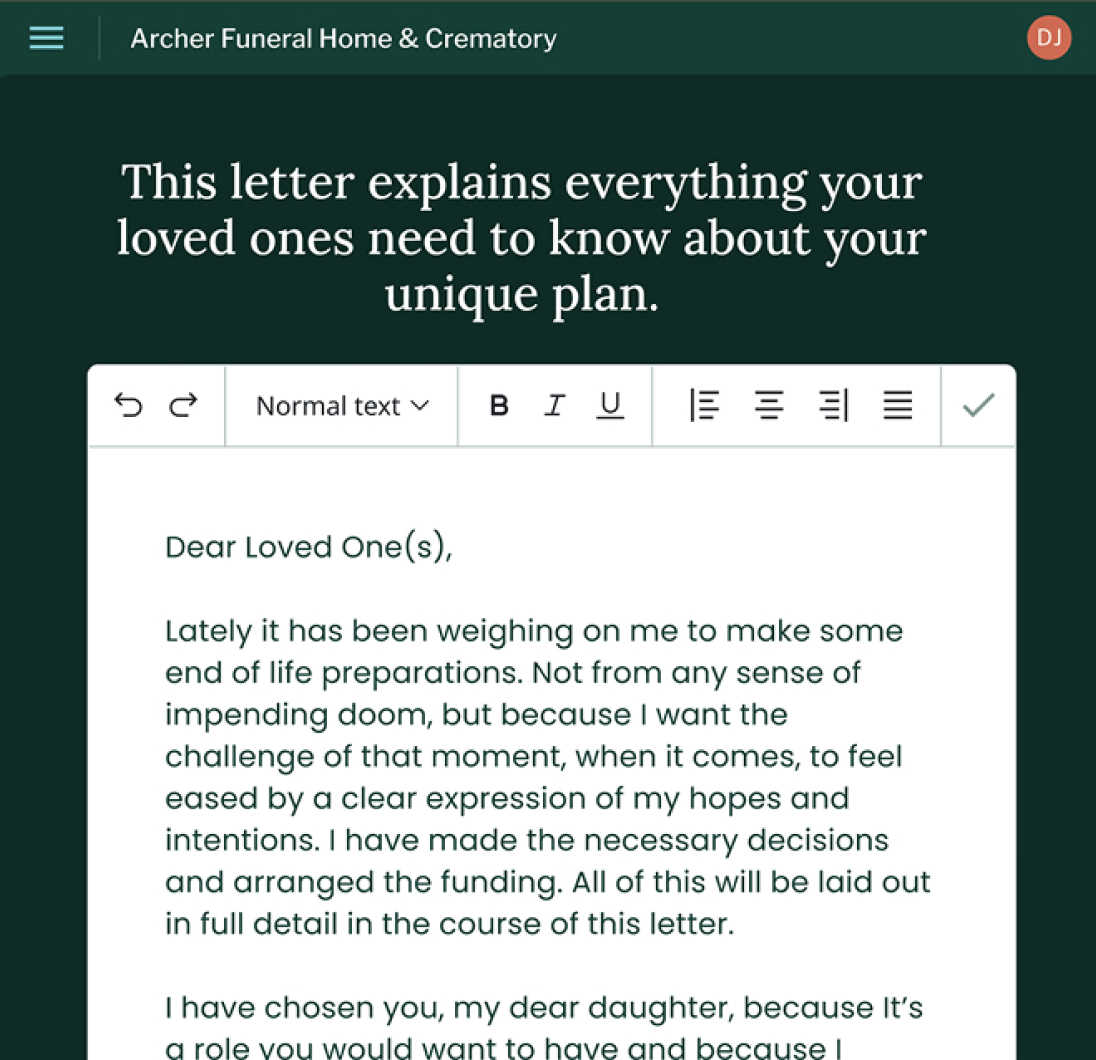
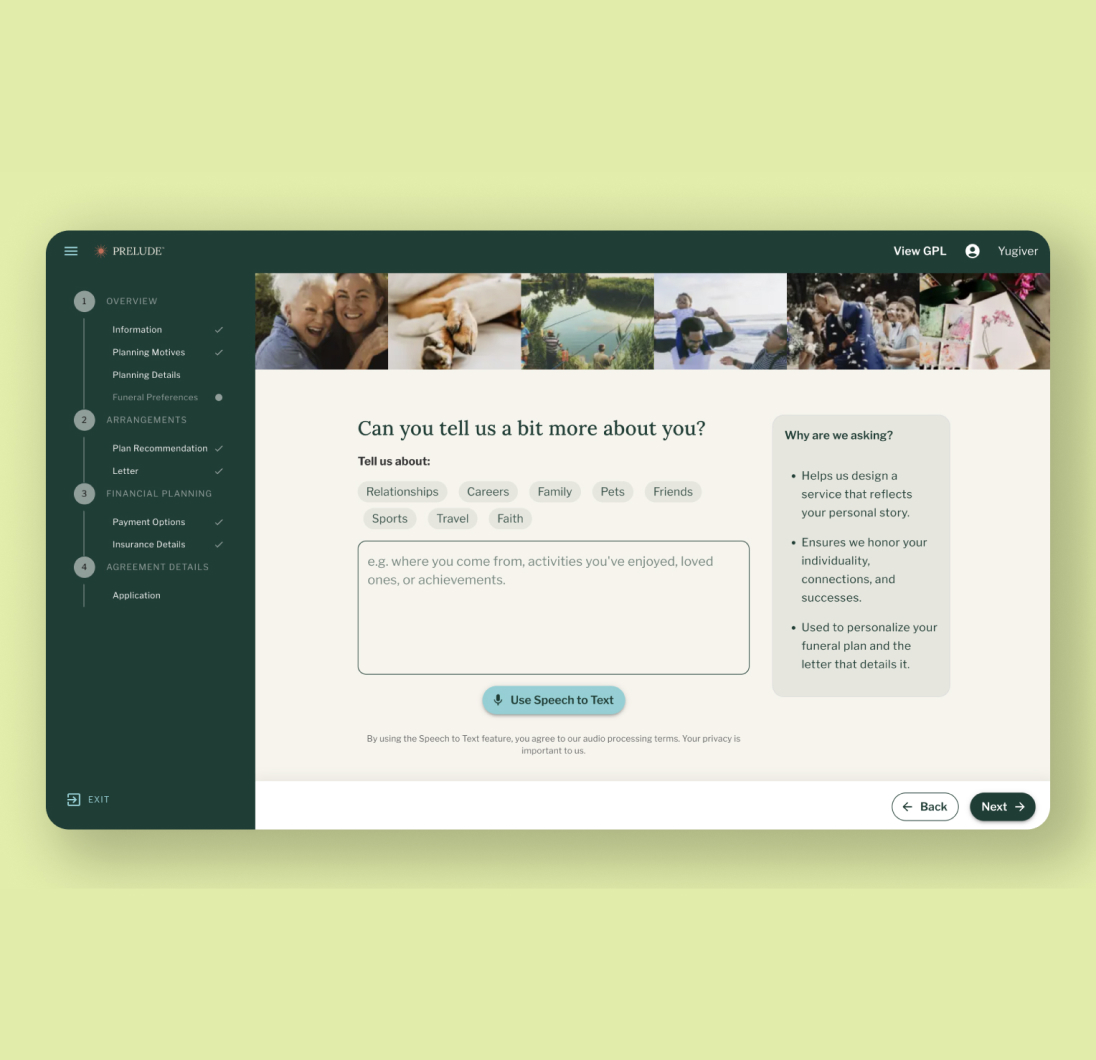
We built Prelude because preneed, one of the highest-leverage revenue channels for funeral homes, is broken. Policies are sold with incomplete documentation, inconsistent pricing, and limited inflation protection. The experience is transactional when it should be deeply personal. Prelude is an end-to-end sales and planning platform that lets agents complete a plan and close in a single meeting while automatically generating all required documentation. The anchor: AI generates a heartfelt letter to the customer's family about why they're pre-planning, reframing the entire conversation from insurance sale to personal legacy.
The results speak for themselves. Agents using Prelude increase their average selling price by 33% and nearly double their close rates. That traction led to a contract with the nation's largest pre-need agency and Prelude's second round of funding post studio.



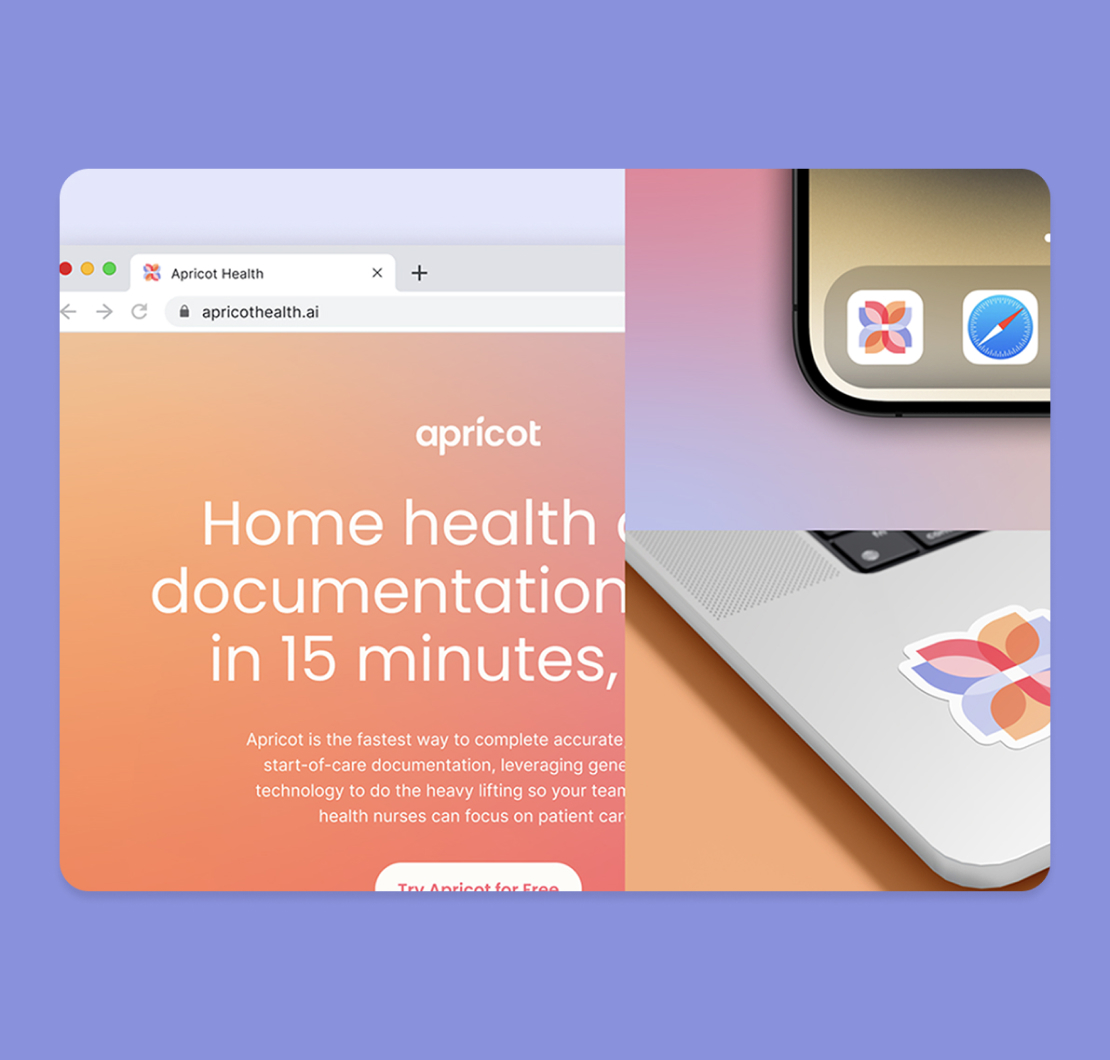

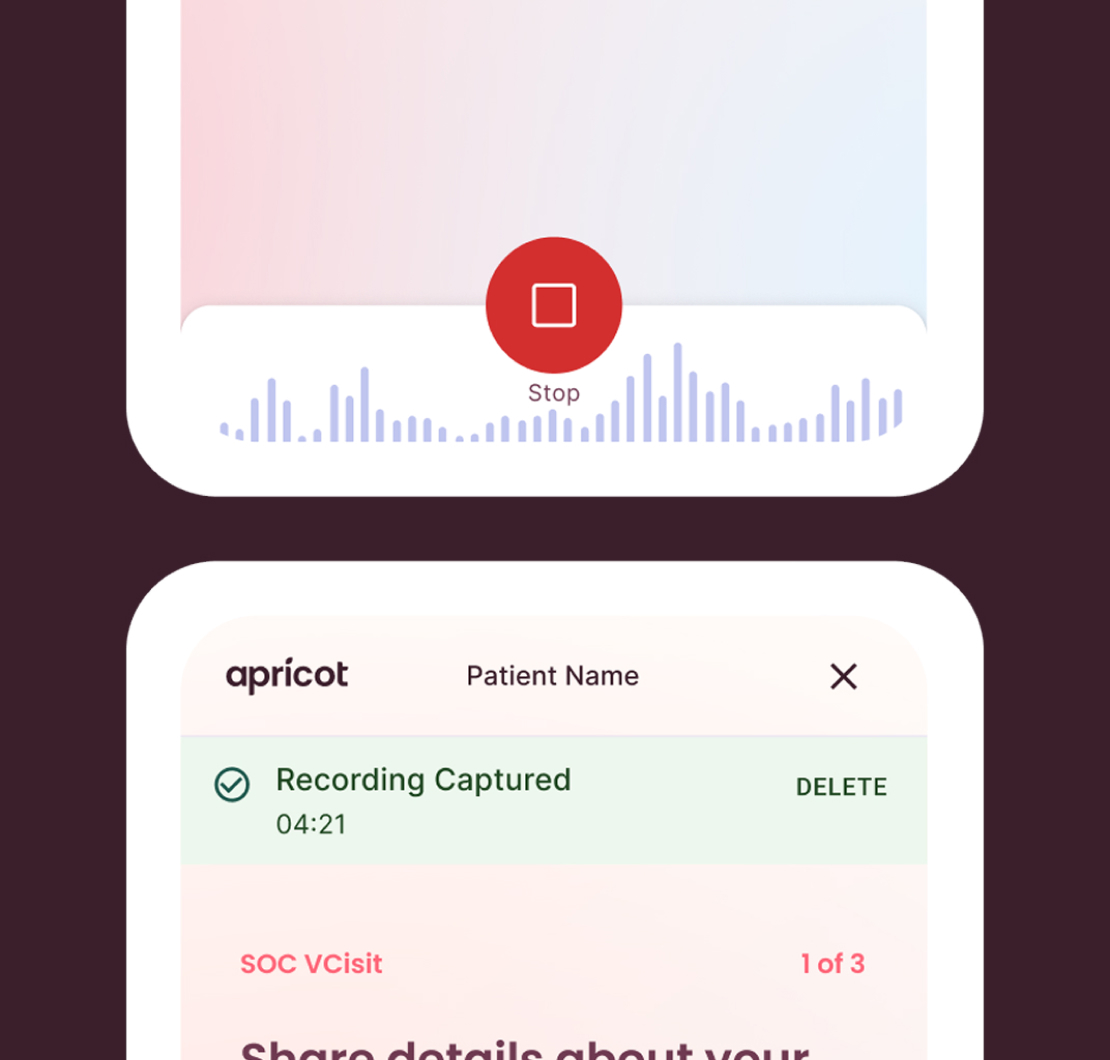
We built Apricot because home health nurses were spending hours every night on documentation instead of recovering or seeing more patients. The work is complex (coding, cross-references, compliance) but standardized, making it ideal for AI. Apricot lets nurses speak conversationally through a guided interview after a visit, upload supporting documents or photos, and generates detailed, structured documentation ready for review. Minutes instead of hours.
Our first proof of concept was live in weeks and getting emotional reactions from clinicians. Four studio employees now work for Apricot alongside CEO Trent Smith. In less than 18 months post-Gitwit, Apricot has become one of the fastest-growing companies in home health, expanded into physical therapy, closed a Series A led by Insight Partners, and grown to a team of 30+.


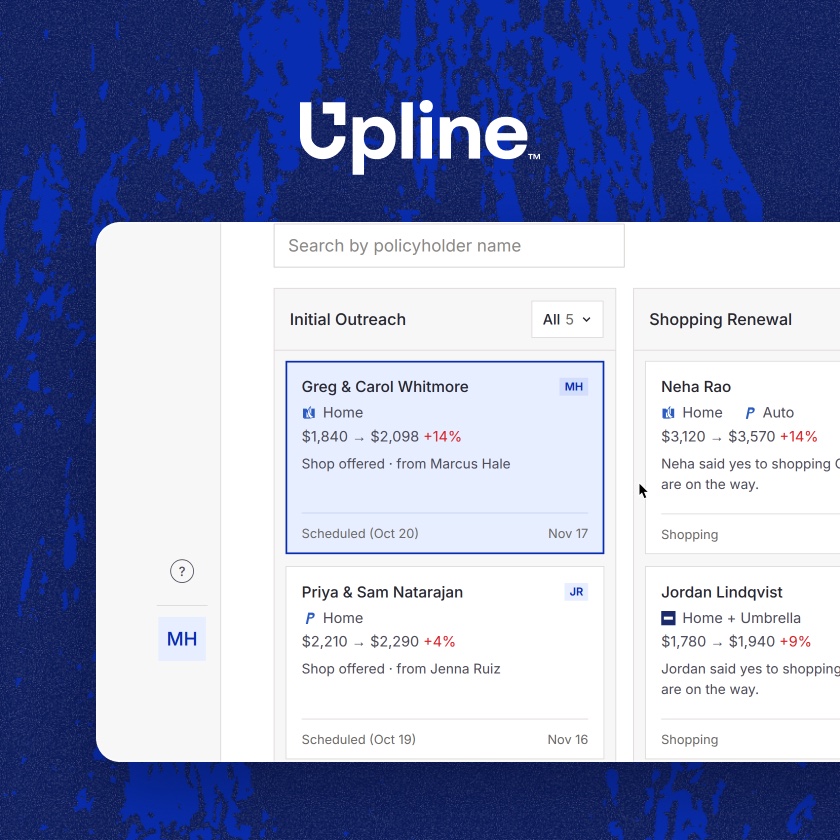

Proactive Account Management for Independent Insurance Agencies

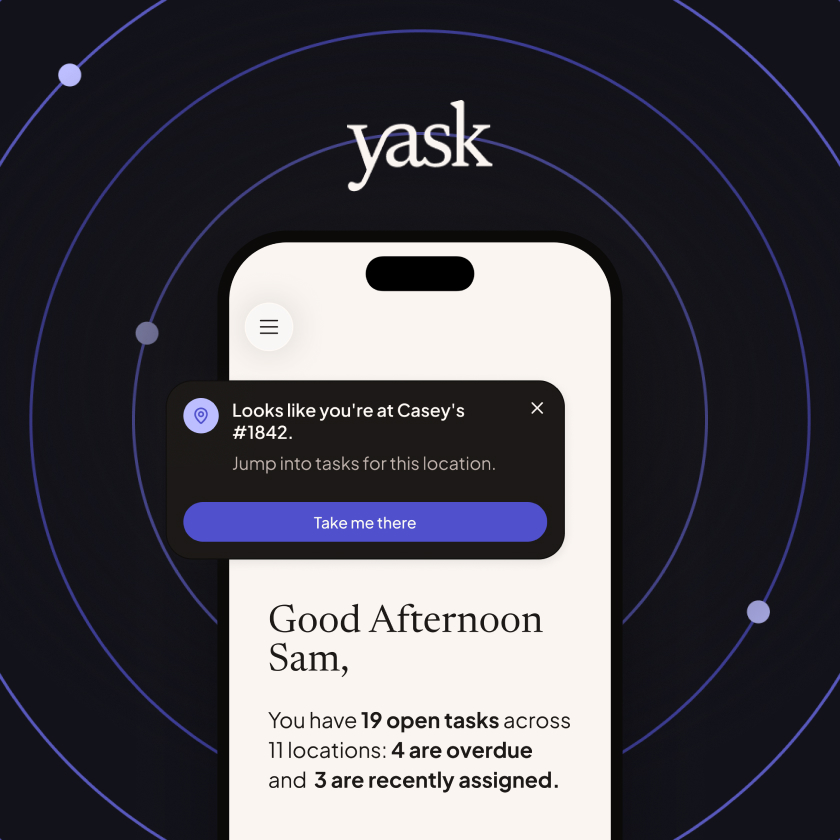


The First Field Ops AI Agent for Retail

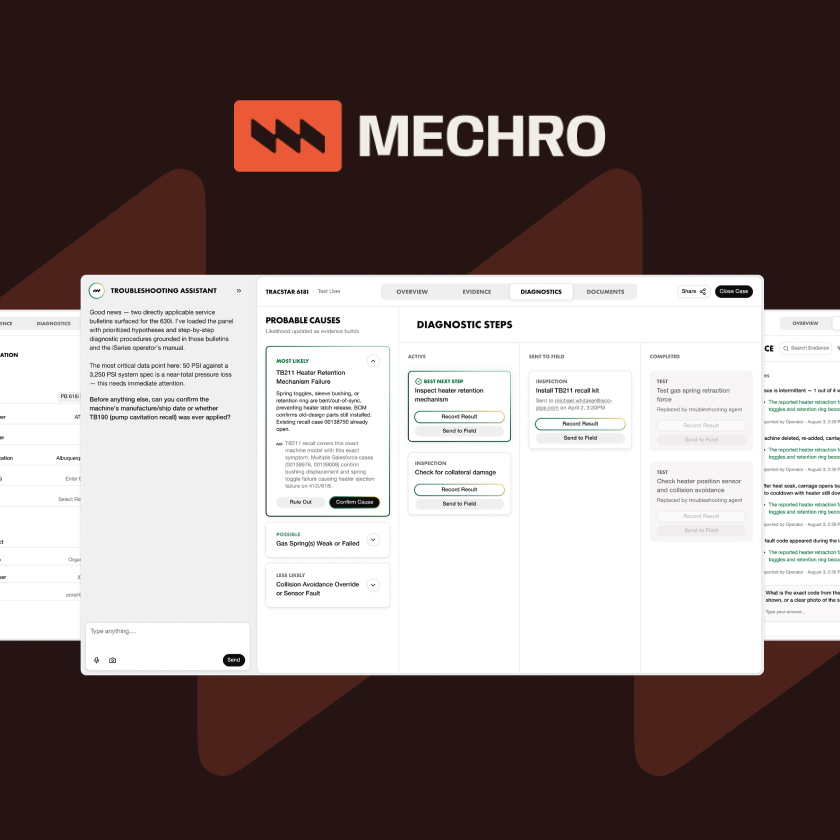


Industrial AI Diagnostics, Built for Field Troubleshooting


Expert AI Hiring Coach for Role Definition and Candidate Vetting


AI-Powered Diagnostic Reports for Psychological Assessment

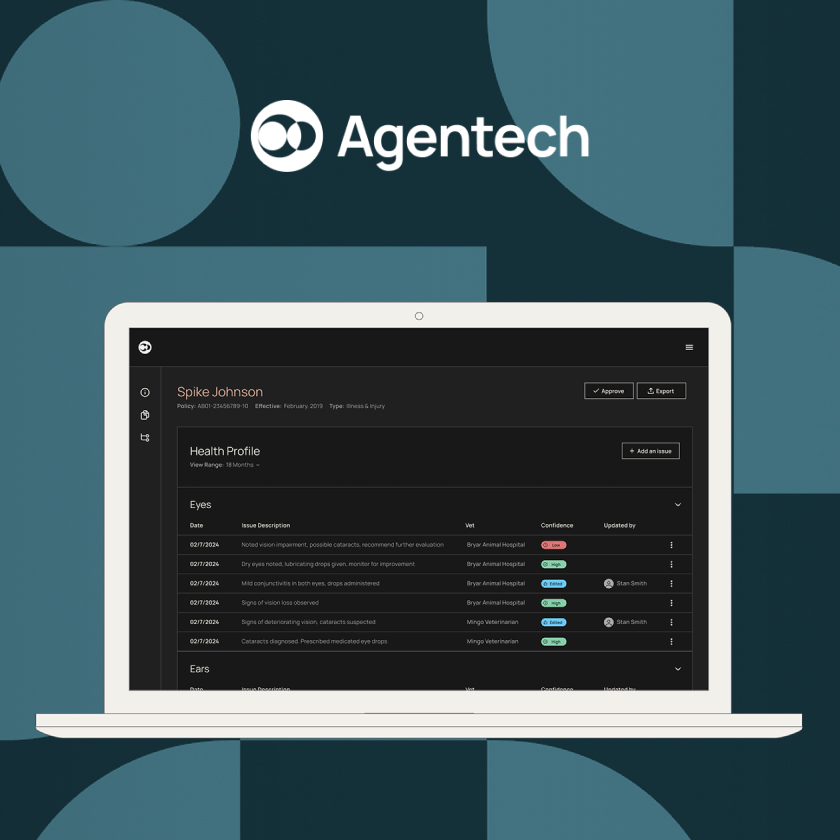


AI Agents for Insurance Claims Processing

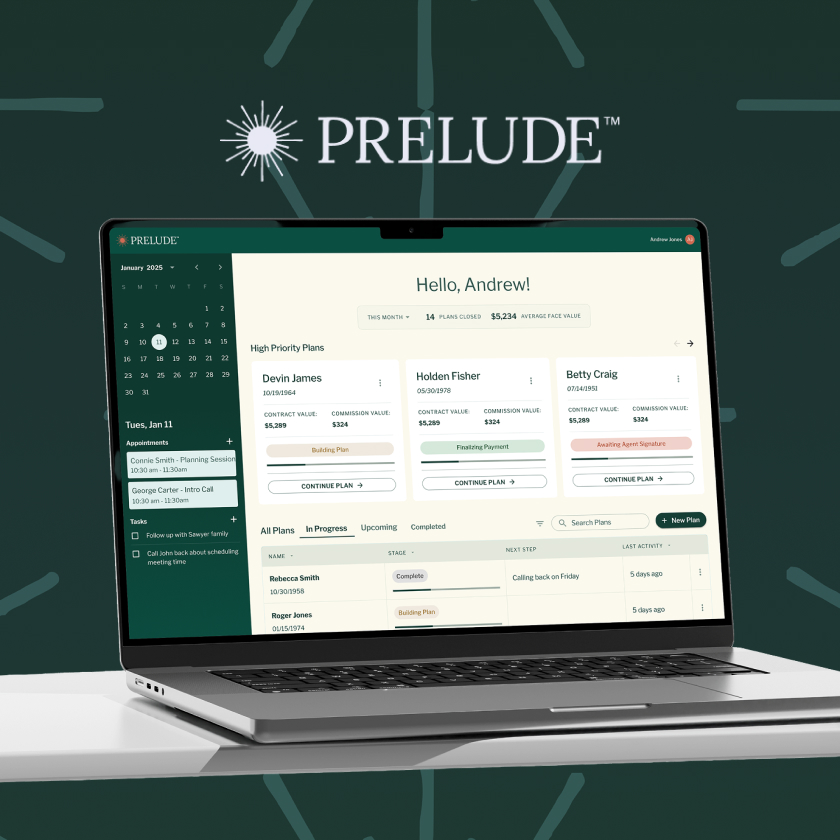


Modern Funeral Pre-Planning

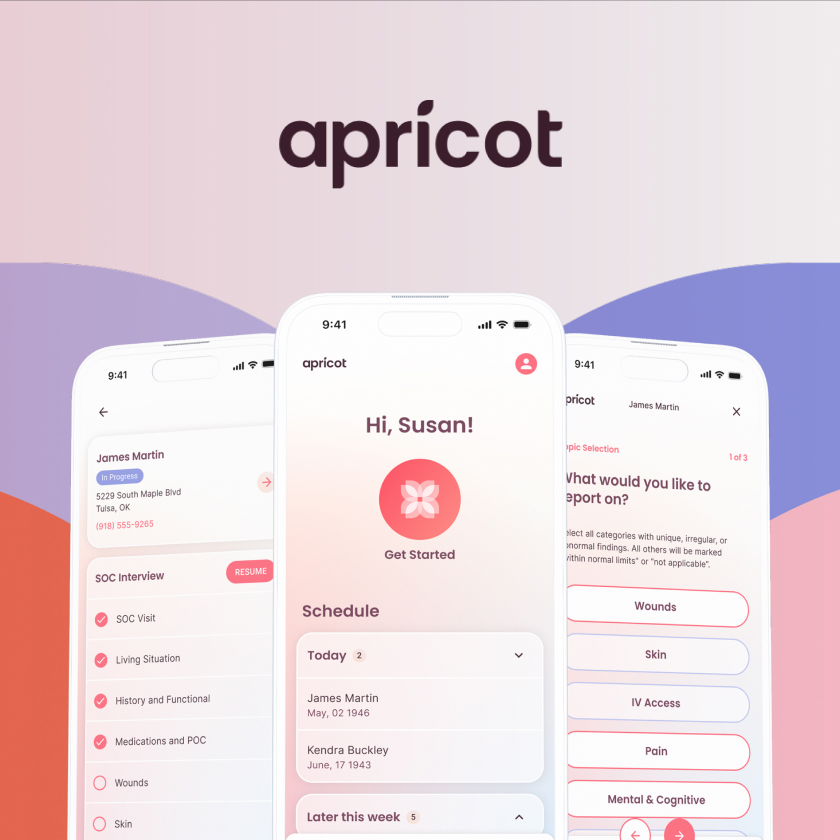


AI-Powered Care for Home Health
